
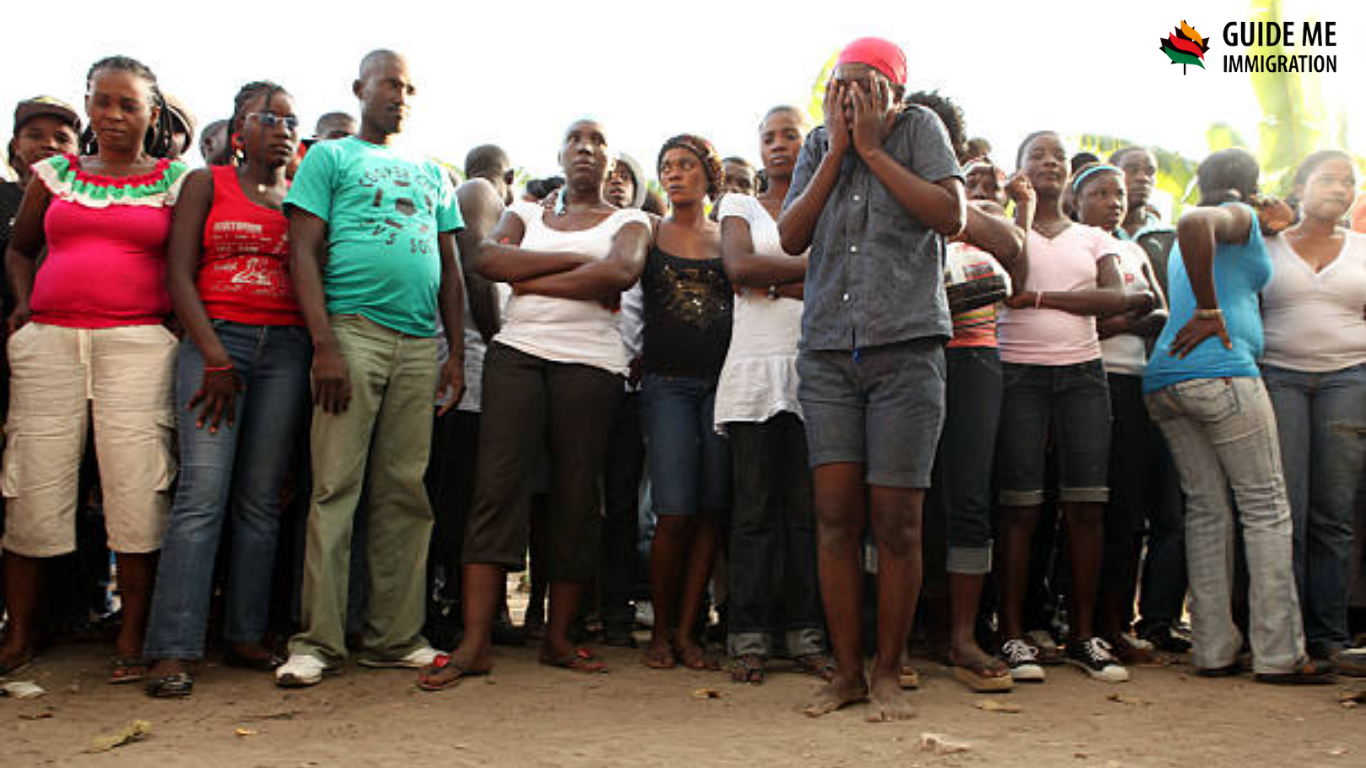
As thousands of Haitian nationals in the United States face uncertainty due to possible deportation measures beginning in February 2026, many are searching for a stable and secure future. While the situation in the U.S. is troubling, there is a significant opportunity that offers hope: Canada’s immigration system currently provides one of the strongest and most accessible pathways for French-speaking Haitians.
Canada continues to position itself as a global destination for skilled workers, and Haitian nationals-especially those who are bilingual-have a genuine competitive advantage under the country’s Express Entry and Provincial Nominee Program (PNP) systems. This combination of linguistic fit, skilled experience, cultural compatibility, and government policy has created a favorable environment for Haitians seeking permanent residence.
Canada Is Prioritizing Francophone Immigration
In its recent Immigration Levels Plan, Canada confirmed an ambitious commitment: to reach a 10.5% target for French-speaking immigrants by 2028 (outside Quebec). This is a major policy shift designed to support Canada’s bilingual nature and strengthen French-speaking communities across the country.
Haiti’s strong French linguistic heritage instantly aligns with Canada’s policy goals. This means the Canadian government is actively seeking applicants with exactly the background and skills many Haitians already have.
French-speaking candidates receive preference not only because of language but also because of economic integration potential-making Haitian applicants a highly desirable demographic for Canadian immigration.
French Speakers Have a Major Advantage in Express Entry
Express Entry remains Canada’s most well-known points-based economic immigration system. It assesses candidates using the Comprehensive Ranking System (CRS), awarding points for age, education, work experience, language abilities, and other factors.
This year, French-language proficiency draws had significantly lower cut-off scores, ranging from 379 to 481, compared to other draw types that required scores above 500. These French-specific draws also issued 42,000 invitations to apply (ITAs)-the highest volume among all category-based selection streams.
This is good news for Haitians because:
-
Many already speak French fluently
-
Bilingual Haitians (English + French) can earn up to 210 CRS points for language alone
-
Skilled Haitians living in the U.S. often have strong work experience and education, further boosting their CRS score
With the right combination of language test scores and documentation, many Haitian applicants can easily fall within the competitive CRS range.
Additional Points Through Skills Transferability
Beyond core points, Express Entry allocates up to 100 extra points through “skills transferability,” which rewards candidates with both post-secondary education and strong language proficiency, or those with foreign work experience combined with high language test results.
For example:
-
A Haitian candidate with a bachelor’s degree
-
Plus NCLC/CLB 9 or higher in both languages
-
Plus 1–3 years of skilled work experience (including U.S. experience)
…can achieve a very competitive CRS score.
This makes many Haitians-especially professionals, tradespersons, managers, hospitality experts, IT workers, and healthcare staff-strong contenders in Express Entry.
Provincial Nominee Programs Add 600 Additional Points
For Haitians with lower CRS scores, the Provincial Nominee Program (PNP) can literally transform their application. A provincial nomination adds 600 CRS points, almost guaranteeing an invitation to apply for permanent residence.
This pathway is particularly useful for:
-
Haitians with family in Canada (especially Manitoba, Ontario, Alberta)
-
Haitians with job offers in Canada
-
Haitians with French language ability
-
Haitians whose occupation aligns with specific provincial needs
Some provinces, such as Manitoba and New Brunswick, actively seek French-speaking applicants, making the PNP route even more accessible.
Haitian Skilled Workers Are in High Demand
Canada’s economy relies heavily on skilled immigrants to fill labor shortages. Many Haitians in the U.S. already work in fields that Canada urgently needs, including:
-
Healthcare and social services
-
Trades and transportation
-
IT and web development
-
Hospitality and restaurant management
-
Childcare and education
-
Construction
-
Logistics and trucking
These occupations align with several category-based selection draws that Canada conducts regularly.
A Stable Path Forward During U.S. Uncertainty
The uncertainty surrounding Haitian legal status in the U.S. has created fear and instability for many families. Canada’s immigration system, however, offers structured pathways, faster processing, and a welcoming environment for skilled workers.
For Haitian nationals-especially French-speaking ones-the timing is advantageous. Canada is actively seeking the exact linguistic and professional profile that many Haitians already possess.
Conclusion: Strong Opportunity in a Difficult Time
While the possible deportation of over 350,000 Haitian nationals in the U.S. is undoubtedly alarming, there is a promising alternative. Canada’s immigration policies are opening doors for French-speaking, bilingual, and skilled Haitian workers like never before.
If you are a Haitian national seeking long-term security, opportunity, and a stable future, now is the ideal time to explore Canadian immigration pathways.
A structured assessment can help determine your Express Entry score, PNP options, and eligibility for French-language draws.
Get your free Express Entry assessment today and discover your pathway to Canada.